How a leading manufacturer reduced tooling complexity and costs with smart torque solutions

A leading heavy equipment manufacturer reduced tooling complexity and calibration costs by replacing traditional air tools with a smart torque solution. The result was fewer tools, greater flexibility, and significant annual savings.

Key Facts:

  • Location: North America manufacturing facility
  • Application: Large equipment assembly
  • Tools Reduced: Up to 36 → 5 per station
  • Annual Savings: ~$50,000

The manufacturer faced significant challenges managing a large population of calibrated air tools

Prior to the project, the facility relied heavily on air pulse tools across multiple sub-assembly areas.

Key Challenges:

  • Over 650 tools required frequent calibration and validation
  • High administrative burden for tool tracking and compliance
  • Limited flexibility requiring dedicated tools for each torque range
  • Rising calibration and maintenance costs (~$50,000 annually)
  • Inefficient and crowded workstation layouts
  • Legacy tooling limited scalability and future improvements

A smart torque tooling solution was implemented to consolidate tools and improve process control

The manufacturer deployed a configurable tooling ecosystem designed to reduce tool count while improving fastening accuracy and consistency.

Solution Components:

Sub-Assembly Configuration:

Each workstation includes:

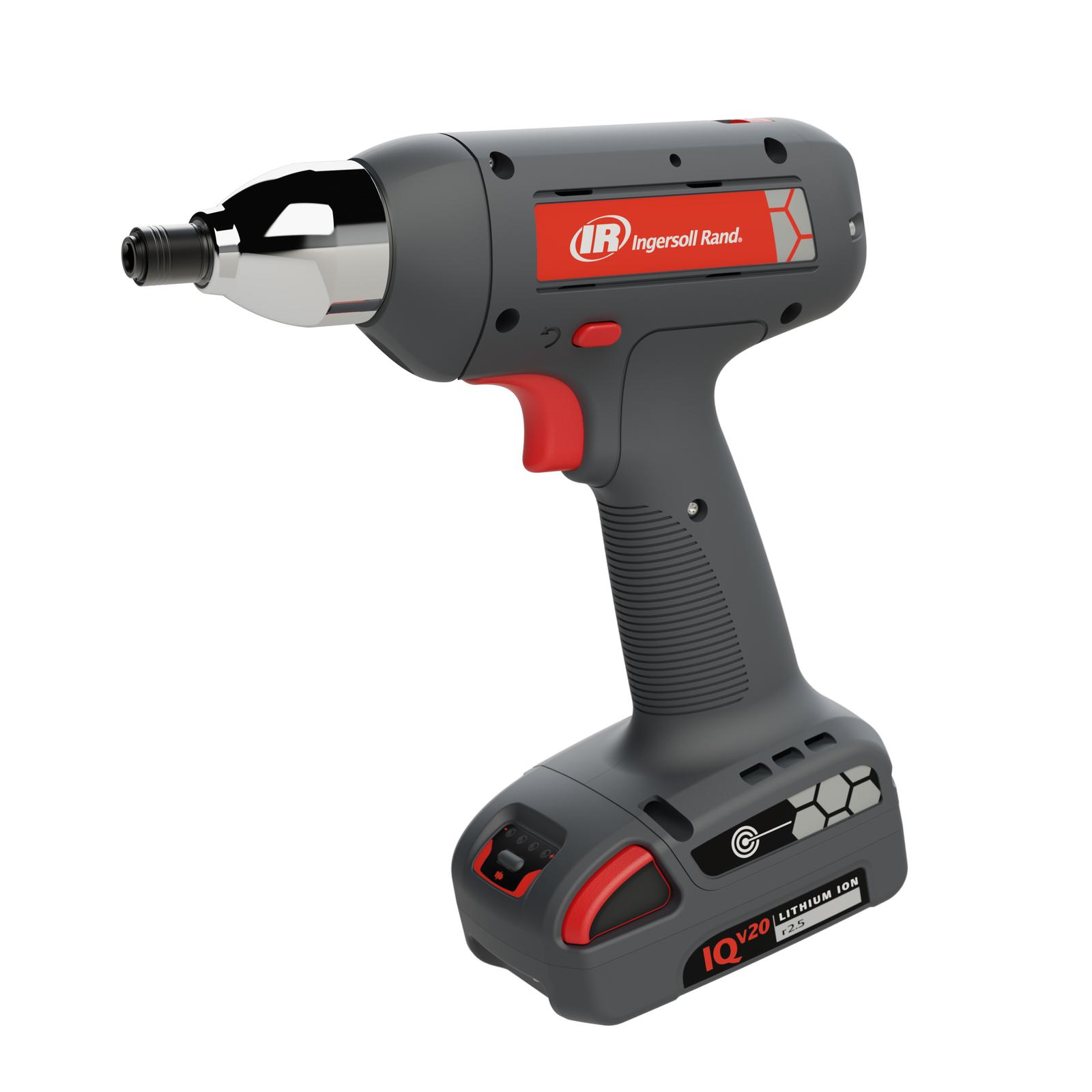
  • 1 × QX low-torque precision tool
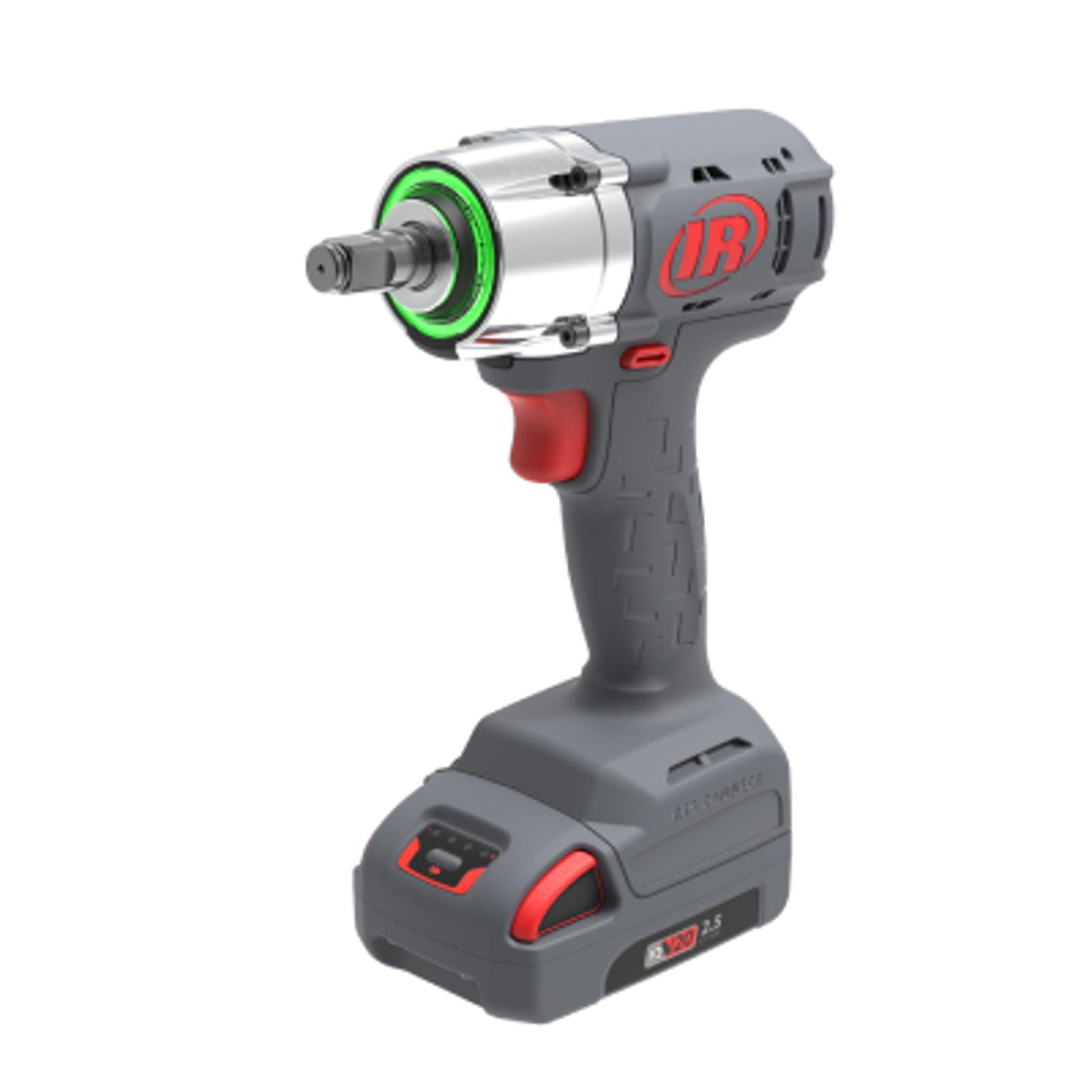
  • 3 × RTS multi-torque tools
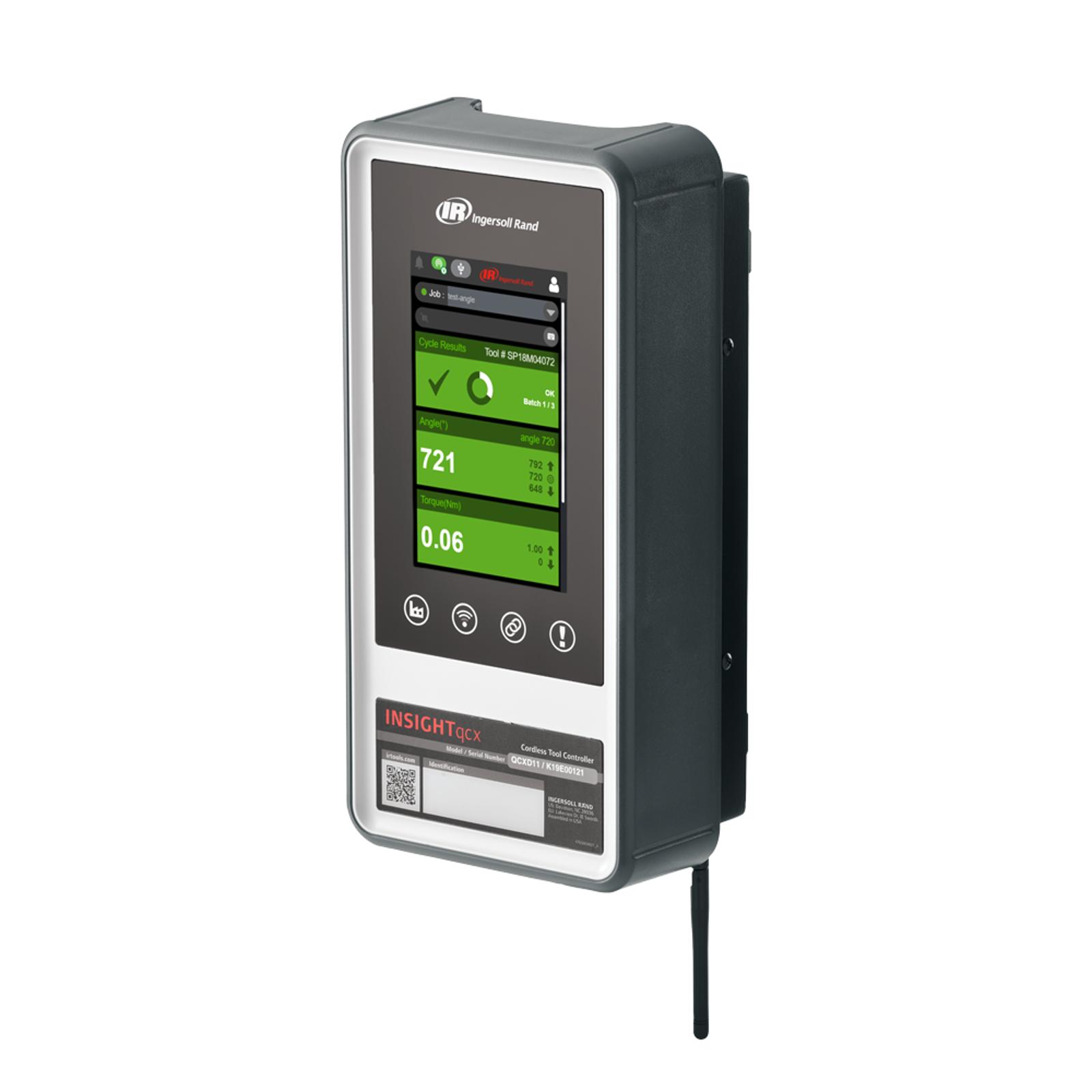
  • 1 × INSIGHTqcx™ controller
  • Smart socket organization

Result: One setup replaced up to 36 traditional air tools

Why This Solution Was Selected:

  • Consolidates multiple tools into a smaller, intelligent system
  • Improves torque accuracy and repeatability
  • Reduces calibration complexity and maintenance demands
  • Supports long-term scalability and modernization goals

“Reducing the total number of tools while improving process control aligns with our long-term vision for a more efficient and streamlined manufacturing environment.”

— Manufacturing Project Engineer

testimonial test

The implementation delivered measurable cost savings, improved efficiency, and greater operational flexibility

The transition to smart tooling resulted in substantial improvements across operations.

Quantitative Results:

  • Tool reduction from up to 36 → 5 per station
  • Approximately $50,000 in annual savings
  • Reduced workload for calibration and maintenance teams
  • Increased tool uptime and availability

Qualitative Results:

  • Cleaner, more organized workstations
  • Greater flexibility across torque applications
  • Reduced operational complexity
  • Alignment with digital manufacturing initiatives
  • Scalable foundation for future expansion

“Operators appreciate the simplicity of the tools and have started using them in additional applications beyond the original scope.”

— Torque Technician

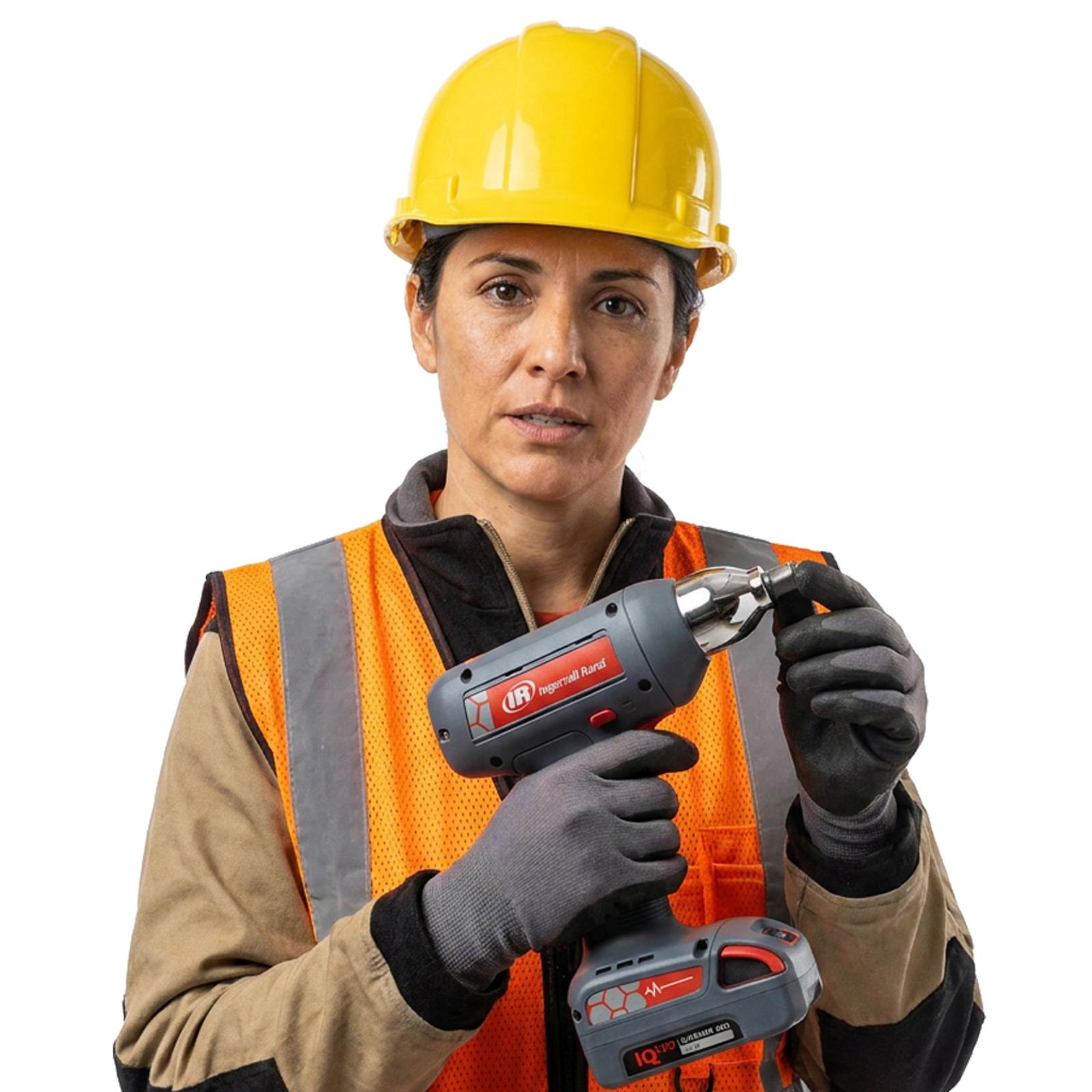
Ingersoll Rand RTS reduced the need for multiple tools for different applications on the assembly line

Does this challenge resonate with your business?