This assembly team needed to eliminate torque variability and improve product reliability

A manufacturer of transformers and electrical panels supplying highly regulated export markets was experiencing quality challenges caused by inconsistent torque application during assembly. Oil leaks, rework, and return-related costs were impacting operational performance.

By implementing controlled torque tools and application-specific torque settings, the organization improved assembly consistency, enhanced process control, and eliminated critical sealing failures.

Key Facts

  • Industry: Energy and Industrial Manufacturing
  • Application: Transformer and electrical panel assembly
  • Initial Investment: Approximately USD 70,000
  • Expansion Potential: Up to USD 200,000
  • Primary Objective: Reduce quality defects and improve assembly consistency

The assembly process relied on manual methods that created variability and quality risks

The manufacturing operation exports transformers and electrical panels to demanding international markets where quality, reliability, and compliance requirements are stringent.

A recurring source of quality issues was oil leakage in transformers caused by inconsistent torque application on critical joints. The use of conventional impact wrenches and manual torque wrenches introduced variability that depended heavily on operator technique and experience.

This created several operational challenges:

  • Torque inconsistency across assemblies
  • Increased dependence on operator skill
  • Internal rework and repair activities
  • Product returns and associated costs
  • Risks to product reliability and market reputation
  • Lower overall assembly efficiency

As production volumes increased, maintaining consistent assembly quality became increasingly difficult with traditional tooling methods.

Controlled torque tools created a more repeatable and efficient assembly process

To address assembly quality issues, the manufacturer implemented a controlled torque solution using Ingersoll Rand QX tools.

The solution combined precision torque control with application-specific programming, enabling operators to consistently achieve required torque values across critical assembly points.

Solution Components

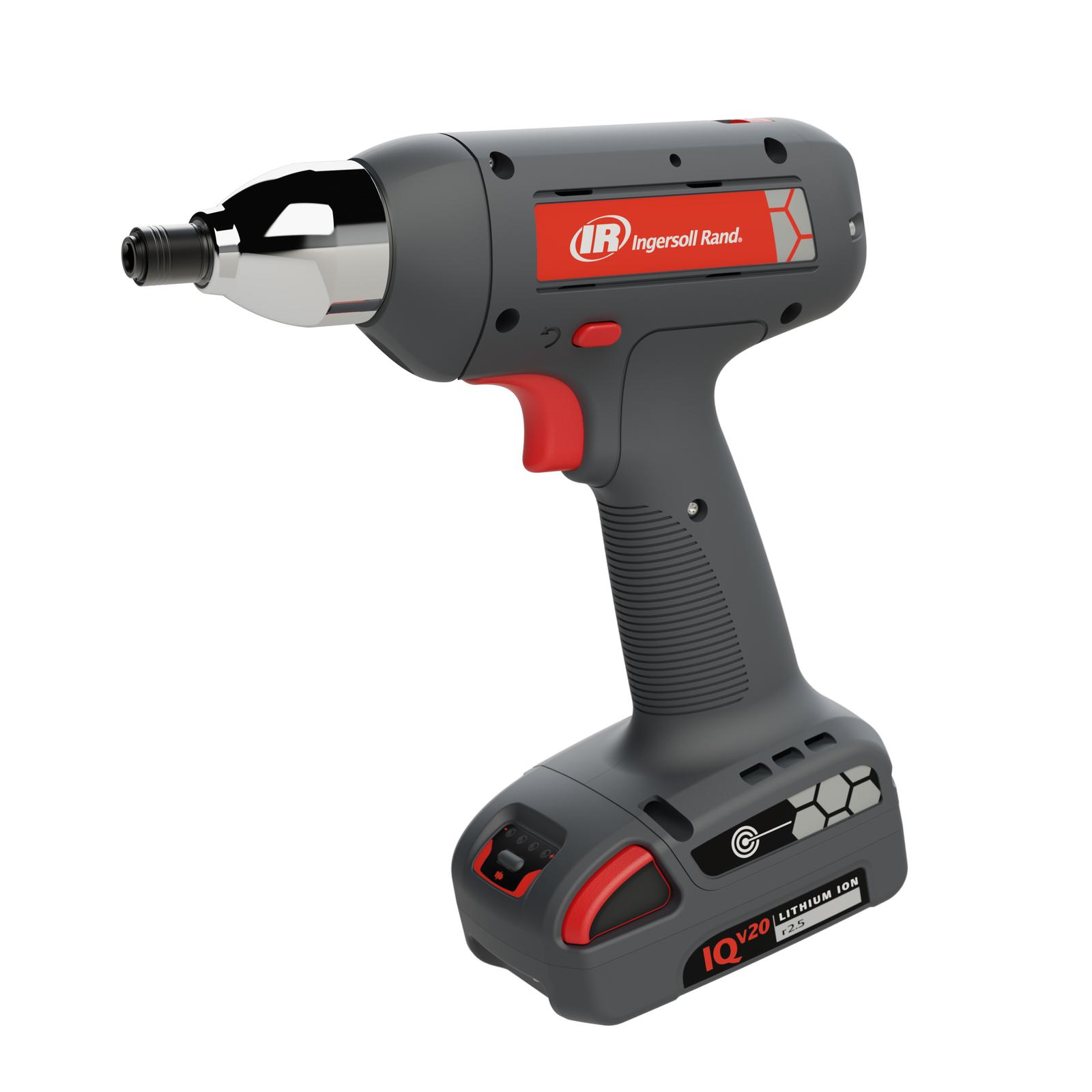
  • QX pistol tools
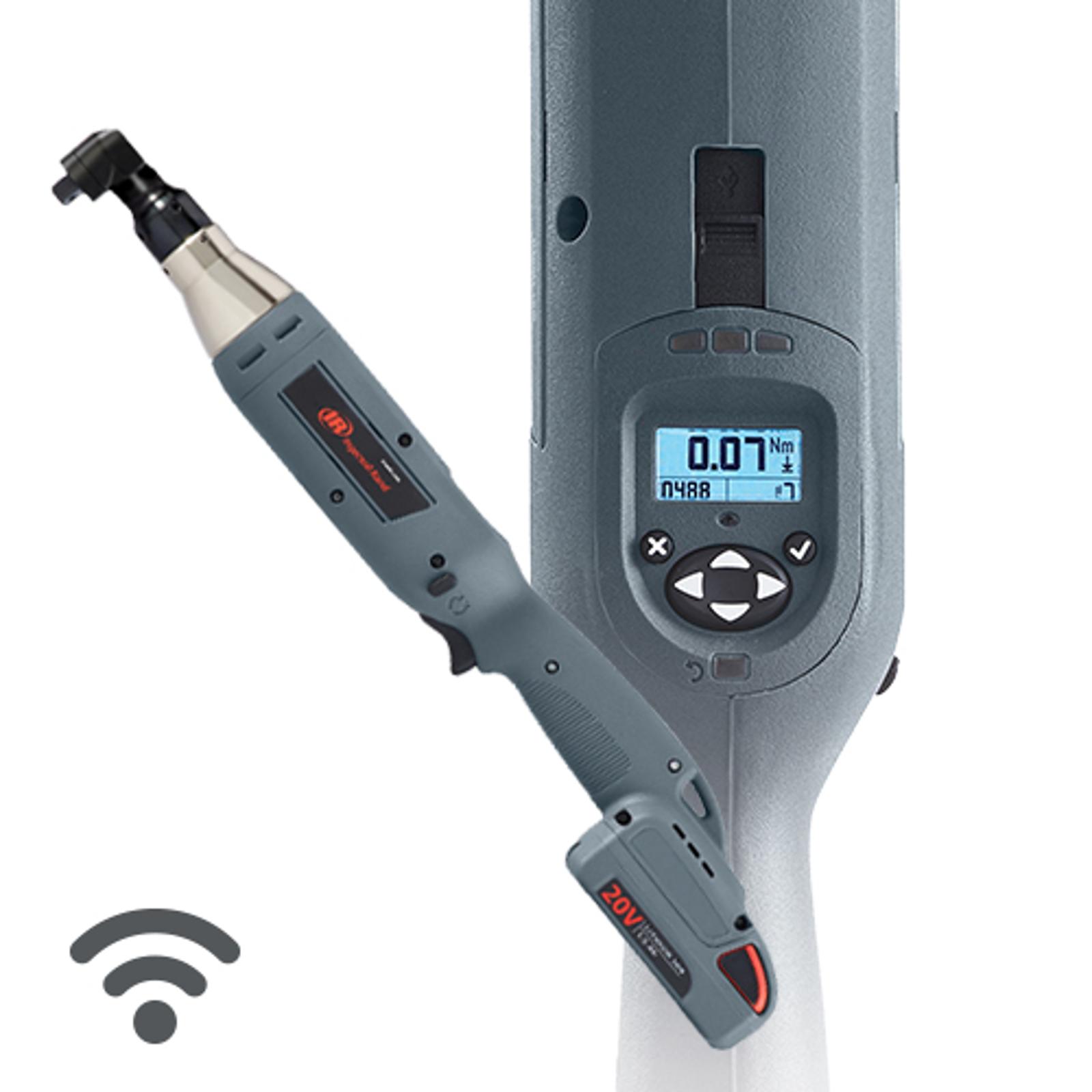
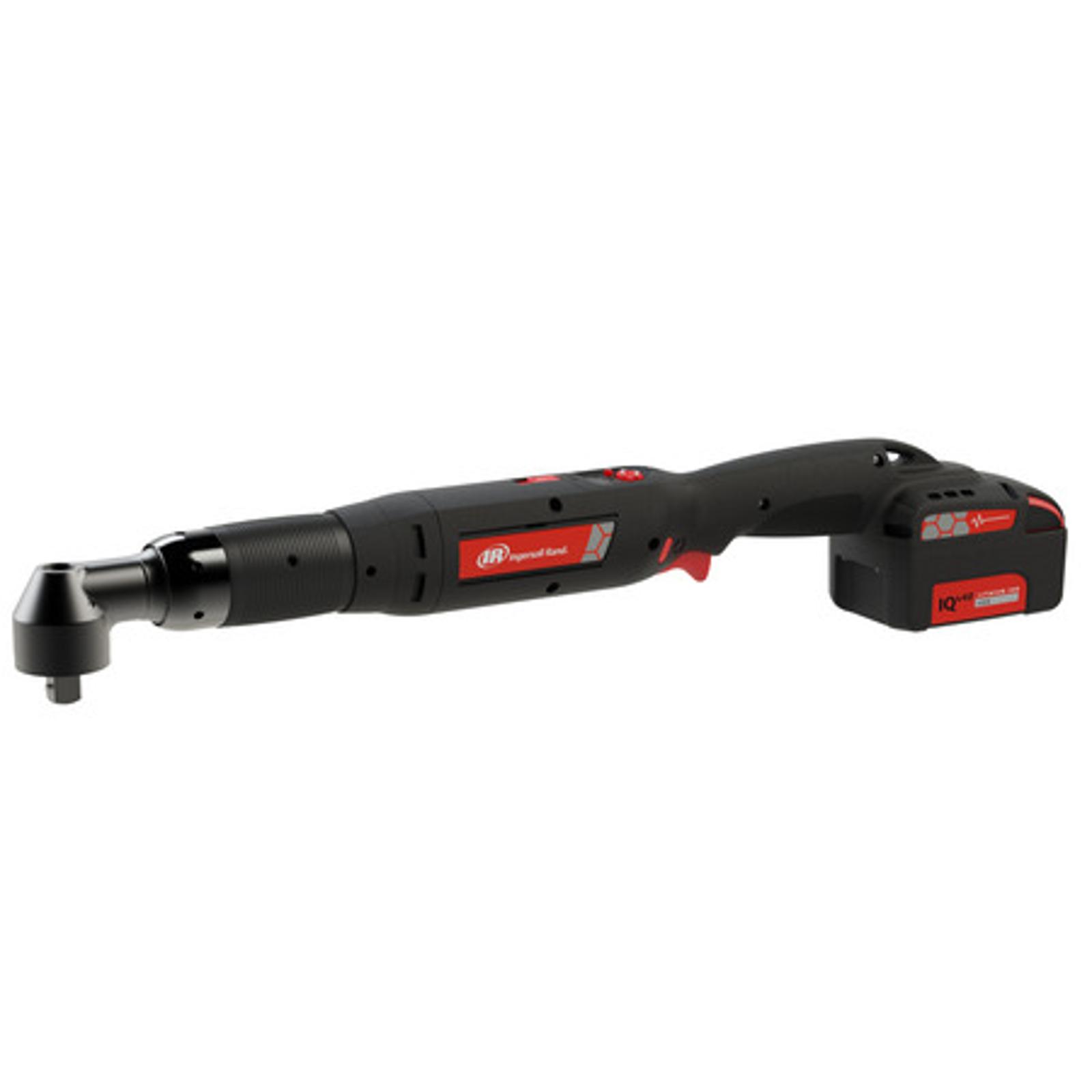
  • QX angle tools for higher-torque applications
  • Application-specific torque parameter configuration
  • Operator and supervisor technical training
  • Implementation support and process validation

The deployment followed a phased approach beginning with pilot testing and torque validation under real production conditions. Tool parameters were configured according to application requirements, and operators received both in-person and virtual training.

Throughout implementation, technical specialists provided ongoing support to ensure successful adoption and process consistency.

Deployment Activities

  • Pilot testing and validation
  • Torque verification in production environments
  • Tool configuration by application
  • On-site technical assistance
  • Operator and supervisor training
  • Structured transition from manual and impact-based processes

Although operators initially needed time to adapt to the new tools and workflow, hands-on training and continuous support enabled a smooth transition.

"Controlled torque tools allowed us to improve assembly quality and reduce rework."

— Process Engineer

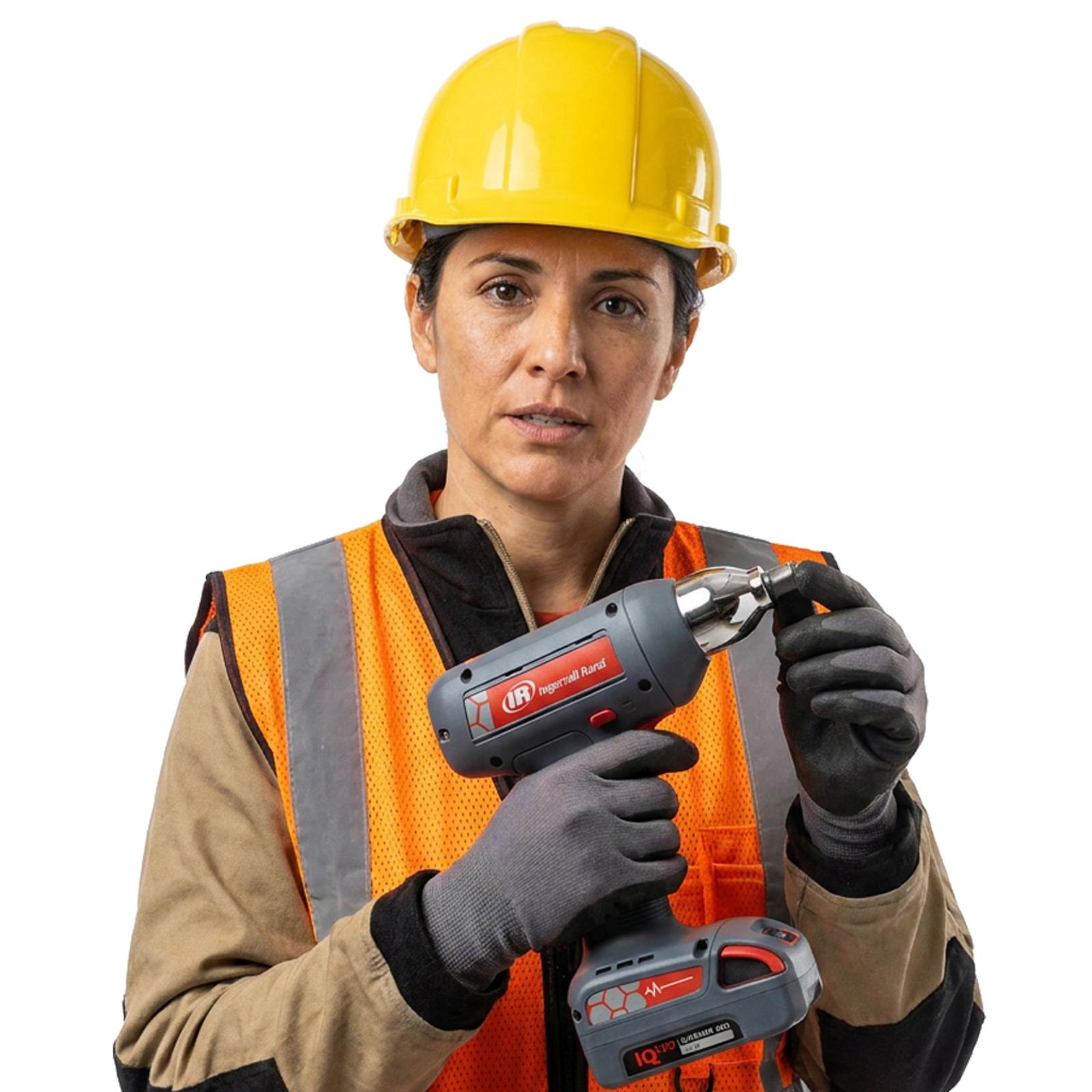
technician holding a qx series cordless precision fastening tool

Improved torque control eliminated critical failures and reduced rework

The controlled torque solution delivered measurable improvements in quality, efficiency, and process control.

Business Results

  • Reduction in product returns
  • Decrease in internal rework
  • Elimination of transformer oil leaks
  • Improved assembly cycle times
  • Enhanced overall production efficiency
  • Better operator ergonomics
  • Increased assembly consistency
  • Stronger process control and traceability

The project's successful outcomes supported broader operational improvement initiatives and demonstrated the value of expanding controlled torque technology across additional applications.

"We were able to reduce critical failures such as oil leaks in our transformers."

— Production Supervisor

testimonial test

Does this challenge resonate with your business?

Contact an Expert

Ready to improve assembly quality and reduce torque-related defects? Connect with an Ingersoll Rand specialist today!