How a leading motorcycle manufacturer transformed its assembly process to improve efficiency and quality

A leading motorcycle manufacturer in Brazil optimized its tightening processes by replacing pneumatic tools and torque wrenches with smart electric solutions.

The result: faster cycle times, improved ergonomics, and full process traceability.

Key Facts:

  • Industry: Manufacturing (Motorcycle Assembly)
  • Location: Manaus, Brazil
  • Production: ~2,000 motorcycles/day
  • Cycle Time Reduction: 16s → 9s
  • Productivity Increase: +67%
  • Payback Period: 4.4 months

Traditional tightening processes created inefficiencies, safety concerns, and inconsistent quality outcomes

The customer relied on traditional tightening methods using pneumatic (clutch/pulse) tools combined with manual torque wrenches. This introduced several operational and business challenges:

Process Inefficiencies

  • Two-step tightening process increased cycle time
  • High dependency on operator skill

Ergonomic & Safety Issues

  • Intensive use of torque wrenches caused operator fatigue
  • High injury rates and absenteeism

Quality & Reliability Risks

  • No monitoring of tightening angle → inconsistent clamp force
  • High rework rates and recall risk
  • No traceability of tightening operations

Operational Constraints

  • Excessive number of tools per station
  • Heavy reliance on compressed air infrastructure
  • High energy consumption from compressors
  • Frequent maintenance and calibration requirements

By adopting smart electric tightening tools, the customer modernized its assembly operations and improved process control

The team initiated a pilot project to validate performance improvements and ROI.

Tools Implemented

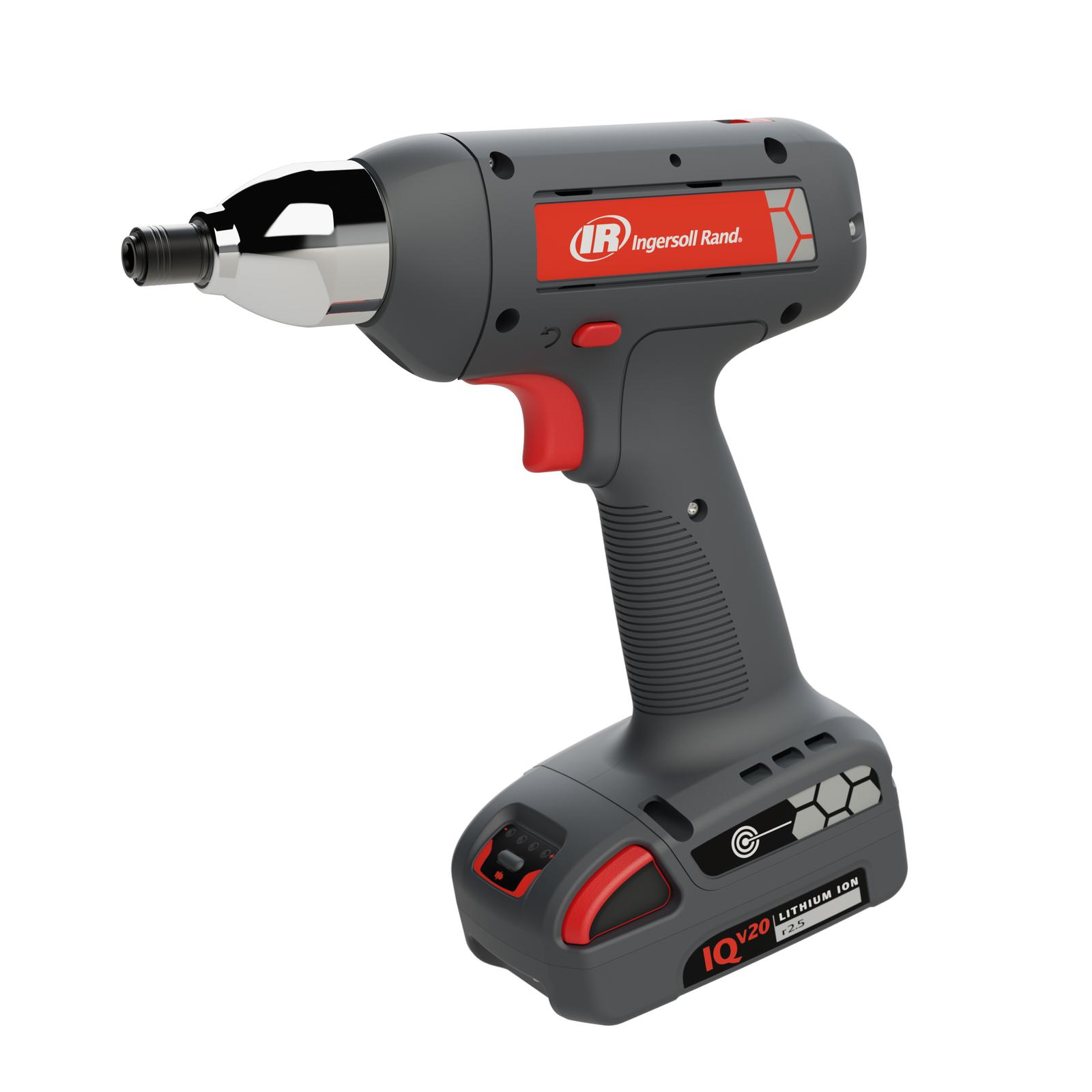
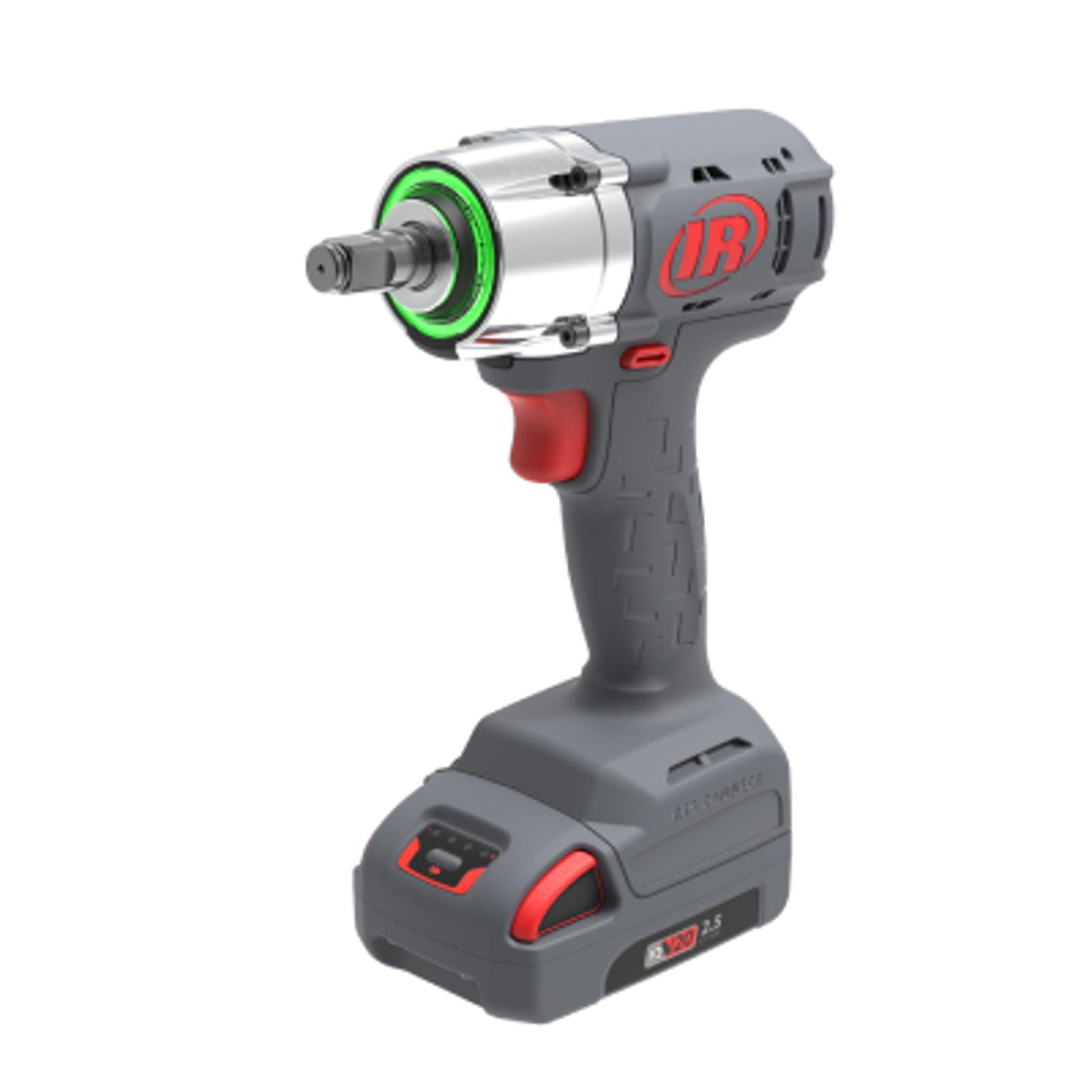
  • QX Series (Primary Solution) 
    • 24 Nm pistol grip tools
    • 80 Nm angle wrenches
  • Additional tools: 
    • RTS Pulse Tools (high torque applications)
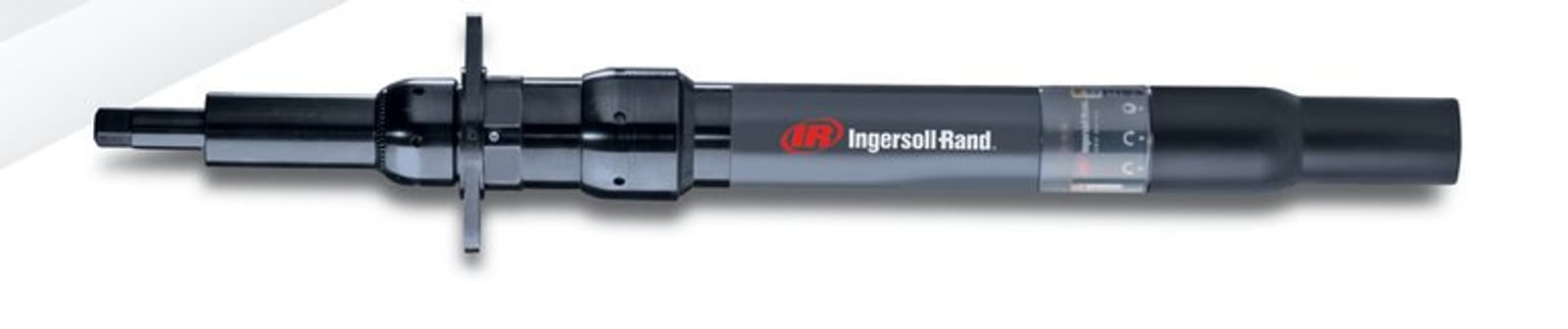
    • QE Series Inline tools (including robotic integration)
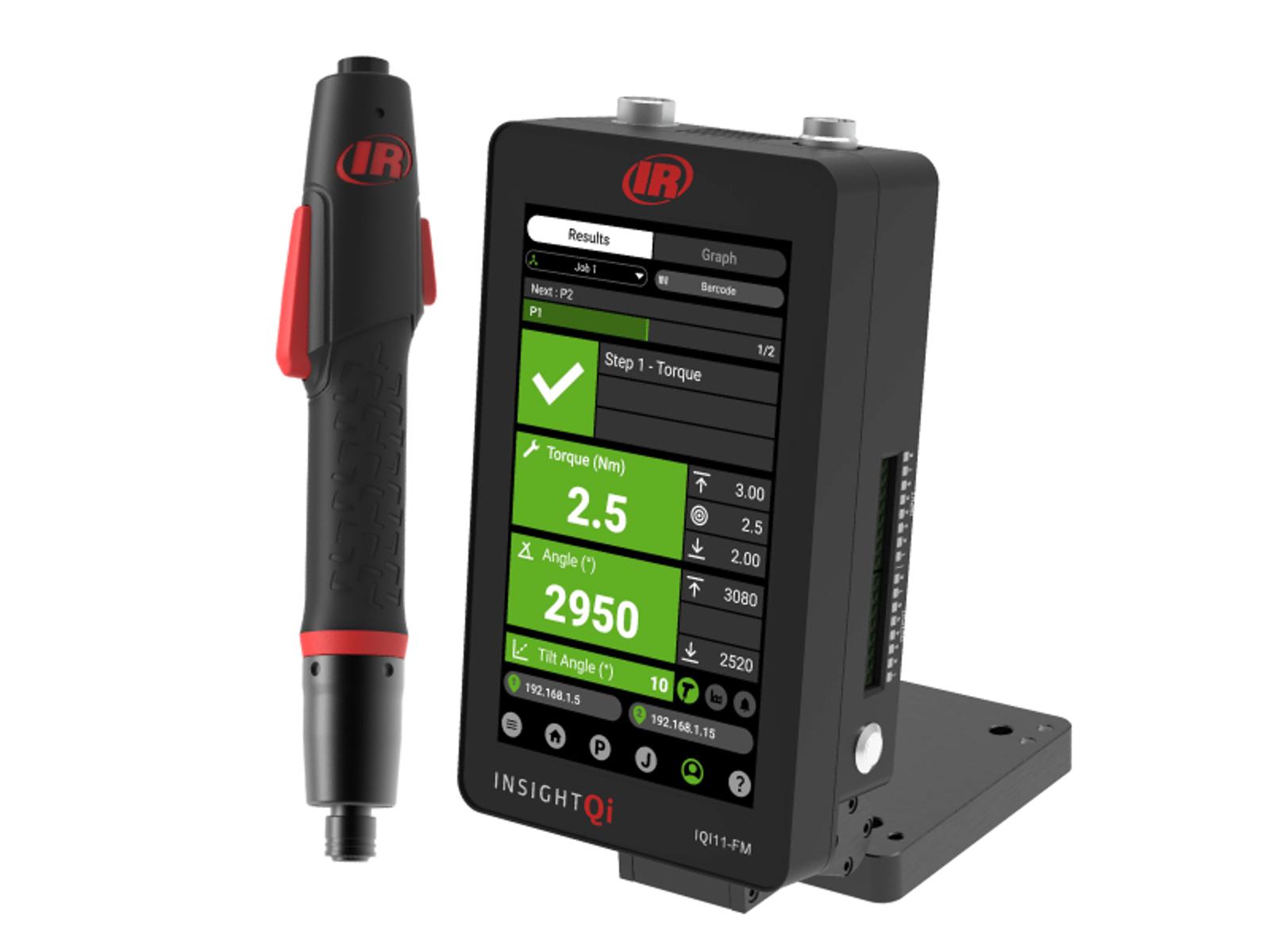
    • IQi Series low-torque screwdrivers
  • Installed base:
    • 200 QXX tools
    • 15 INSIGHTqcx™ controllers
    • 10 QE tools + 10 QCD controllers
    • 5 RTS pulse tools
    • 5 IQi screwdrivers

Key Capabilities Delivered

  • QX ETS (Ergonomic Tightening System) – reduced operator strain
  • Real-time operator feedback
  • Angle + torque control for consistent clamp force
  • QCX controllers enabling: 
    • Process traceability
    • Network connectivity
    • Remote monitoring

Implementation Highlights

  • Initial purchases driven by ergonomics and safety teams
  • Gradual replacement of pneumatic + torque wrench processes
  • One-week intensive training program: 
    • Production
    • Engineering
    • Quality
    • Maintenance teams

“The reduction in rework and the improvement in ergonomics are clear where QX tools have been installed. Operators no longer want to use torque wrenches.”

— Service Technician

technician holding a qx series cordless precision fastening tool

The new solution delivered measurable gains in productivity, ergonomics, and cost reduction

Performance Improvements

  • Cycle time reduction: 16 → 9 seconds
  • Productivity increase: ~67%
  • Payback period: 4.4 months

Operational Gains

  • Elimination of torque wrench verification steps
  • Reduced number of tools at each workstation
  • Increased tool availability
  • Reduced setup and line balancing time

Cost Reductions

  • Lower energy consumption (less compressor usage)
  • Reduced maintenance and calibration costs
  • Lower spare tool requirements

Quality Improvements

  • Guaranteed clamp force accuracy
  • Real-time operator feedback prevents defects
  • Reduced rework and recall risk
  • Full traceability via connected controllers

Reliability Metrics

  • ~80% of tool-related stoppages tied to competitor tools
  • ~20% associated with Ingersoll Rand tools → significantly higher reliability

Contact an Expert

Looking to reduce tooling costs and simplify your operations? Connect with a specialist to identify ways to streamline your tooling strategy, improve ergonomics, and unlock cost savings.