
This assembly team needed to reduce ergonomic risk while improving torque consistency in a high-volume environment

A multi-site trailer manufacturing operation faced safety risks and inconsistent results from manual torque processes.
By implementing Ingersoll Rand QXM torque multipliers with QCXD controllers, the team improved ergonomics, throughput, and torque accuracy.

Key Facts

  • High-volume trailer assembly across multiple facilities
  • Manual torque process with significant ergonomic strain
  • Injury cost exposure of $40,000–$60,000 per incident
  • Rapid adoption of powered torque solution
Manual torque processes were creating safety risks, fatigue, and inconsistent results

At a high-volume trailer assembly facility in Missouri, operators were responsible for applying final wheel lug torque using large manual click wrenches.

This approach created several operational and safety challenges:

  • Excessive physical strain on shoulders and backs during repeated torque applications
  • Slip-and-fall risk if the wrench disengaged under load
  • Operator fatigue accumulating over long shifts
  • Inconsistent torque application due to manual variability
  • No digital traceability or torque verification

These issues increased the likelihood of soft-tissue injuries—costing between $40,000 and $60,000 per incident—while also affecting throughput and overall assembly quality.

A powered torque solution improved ergonomics while enabling data-driven quality control

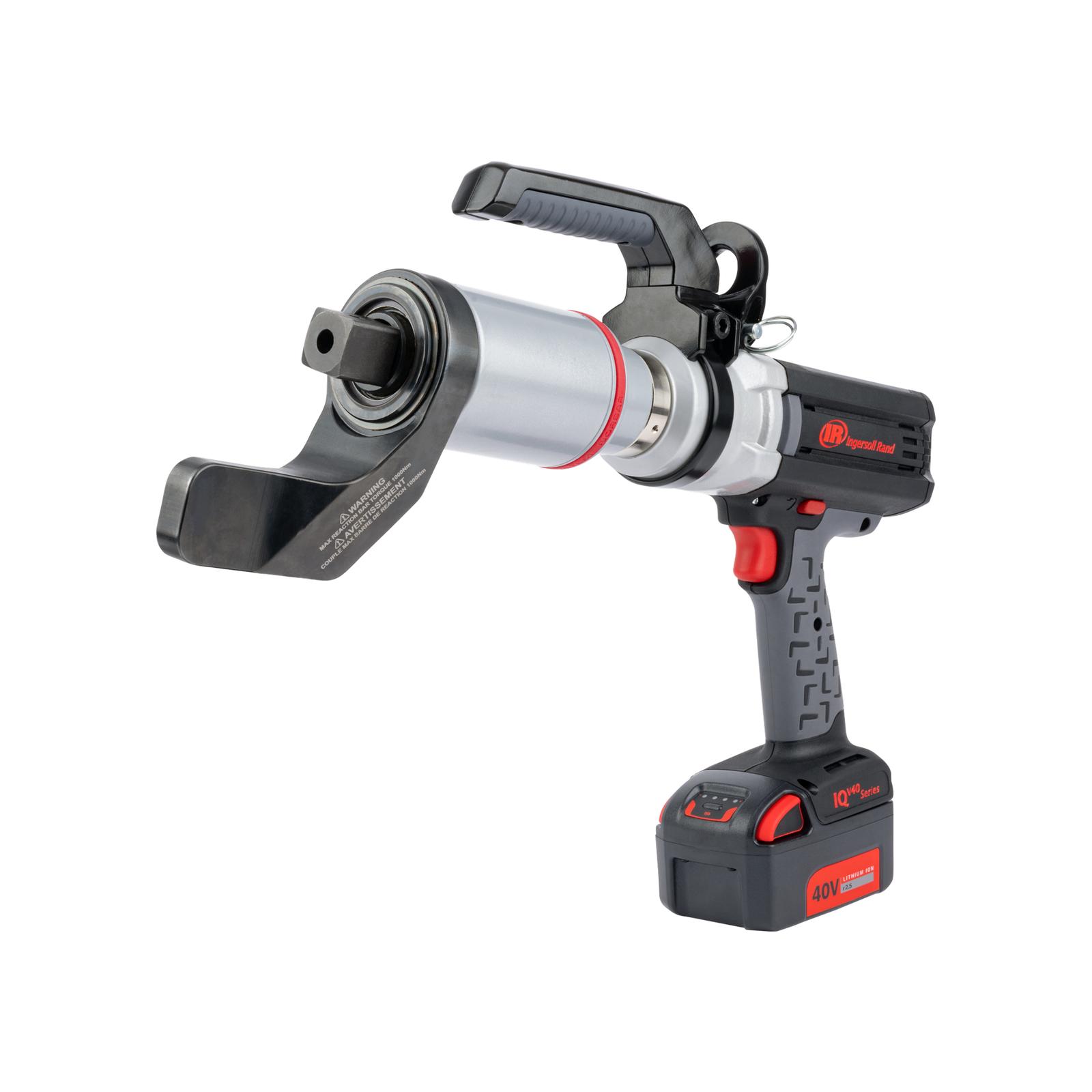
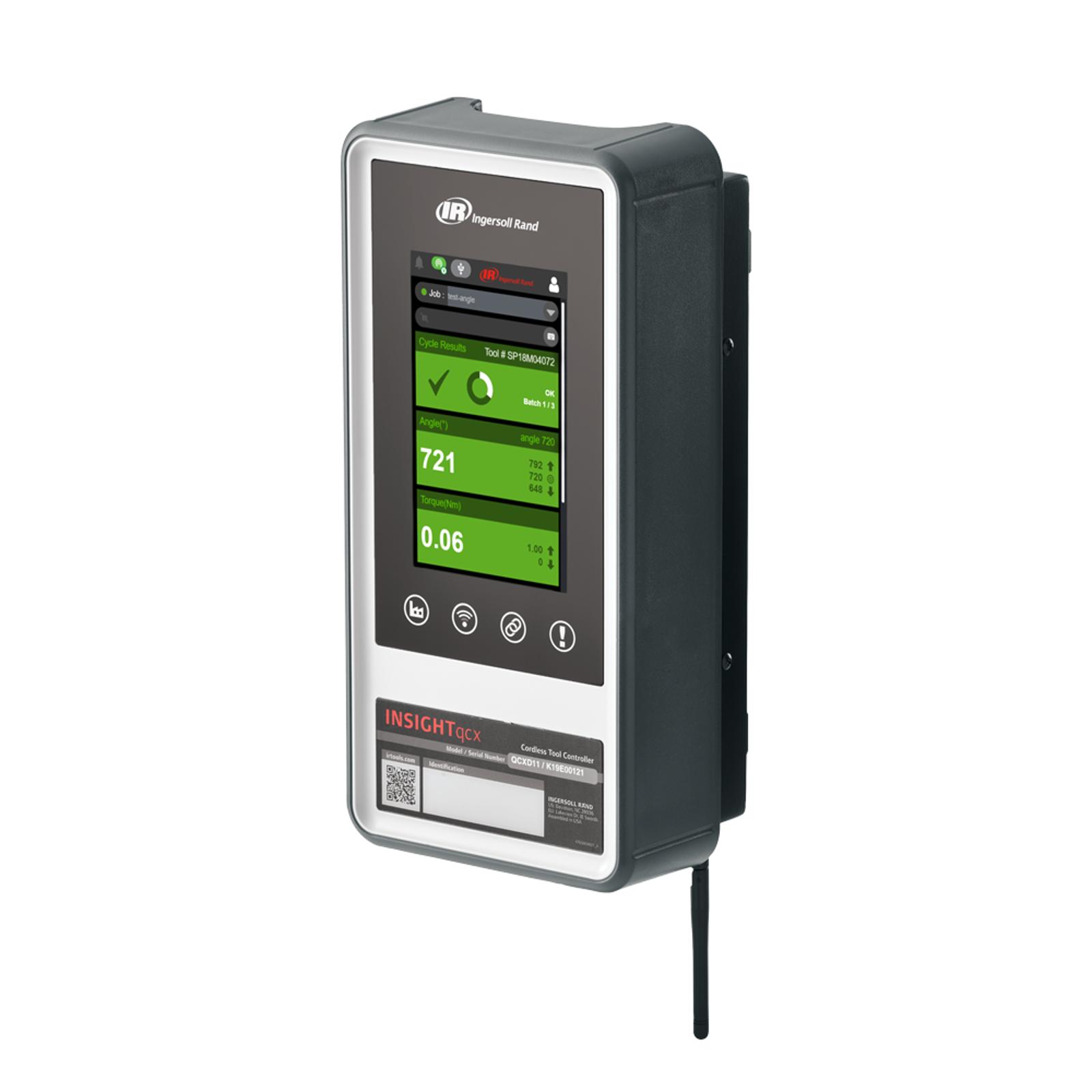
To address these challenges, the team implemented a solution centered on Ingersoll Rand QXM pistol-grip torque multipliers.

Solution Components

Why this solution fit the application

  • Reduced physical effort compared to manual click wrenches
  • Improved safety through controlled torque delivery
  • Faster operation for higher throughput
  • Built-in capability for digital torque validation and traceability

Deployment Approach

  • Initial pilot conducted at a single facility
  • Hands-on operator evaluation and feedback loop
  • Minimal training required due to intuitive design
  • Rapid transition with no disruption to production

The simplicity and ergonomic benefits of the solution drove immediate operator acceptance and a smooth rollout.

“This solution improved safety, quality, and output all at once, which made it an easy decision to expand to other facilities.”

— Manufacturing Management

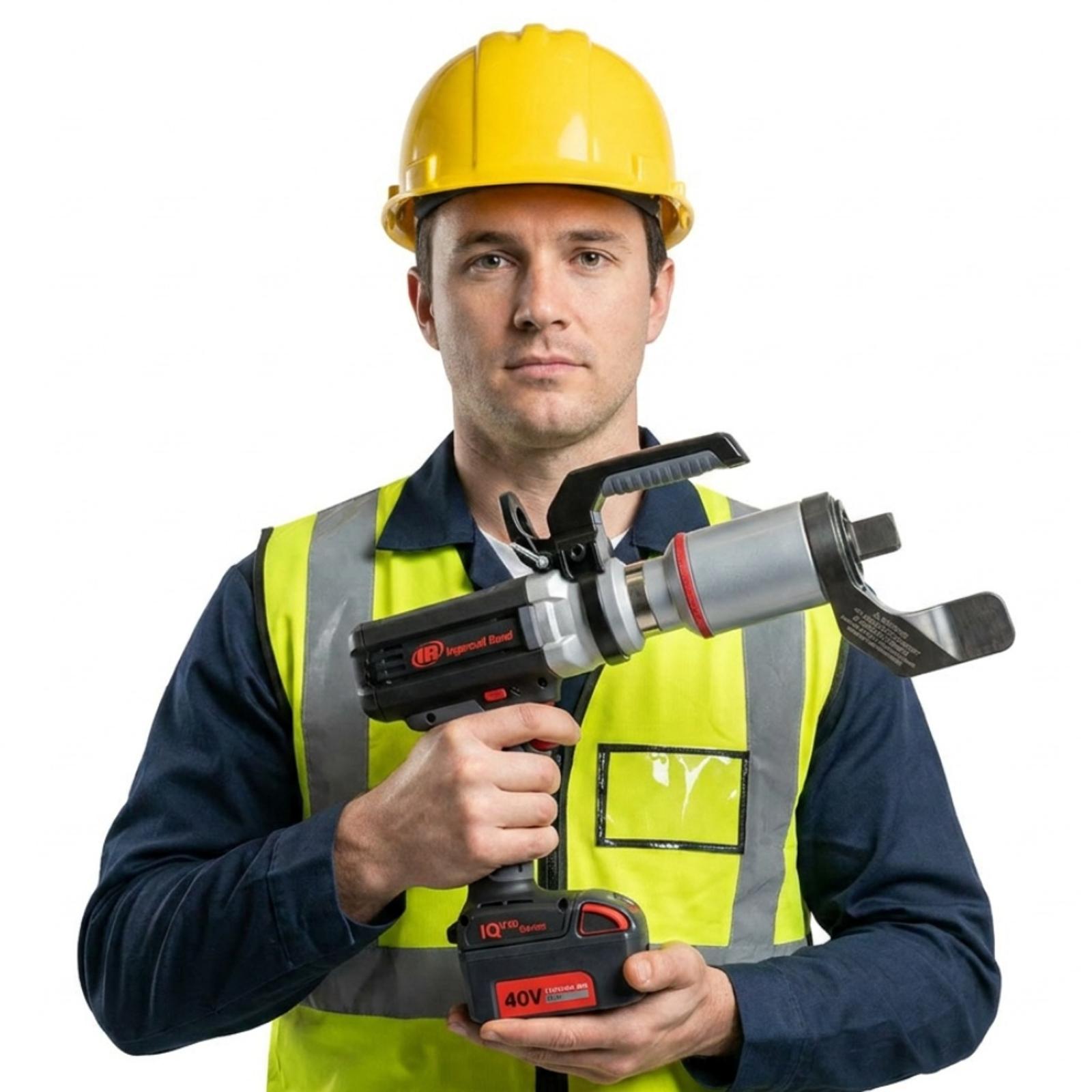
technician holding a qxm torque controlled tool

The new process reduced injury risk, improved throughput, and increased consistency

Quantitative Results

  • Reduced exposure to injury-related costs of $40,000–$60,000 per incident
  • Faster final torque process, increasing overall throughput
  • Improved consistency in torque application

Qualitative Results

  • Operators reported no shoulder or back strain, even during full shifts
  • Reduced fatigue led to more stable, sustained productivity
  • Increased confidence in assembly quality
  • Strengthened workplace safety culture

Scalability Impact

  • Successful pilot led to expansion across additional facilities
  • Six additional QXM systems deployed in Midwest locations

“The difference was immediate. Operators no longer felt shoulder or back strain, even late in the shift, and the final torque process was faster and safer.”

— Manufacturing Engineer

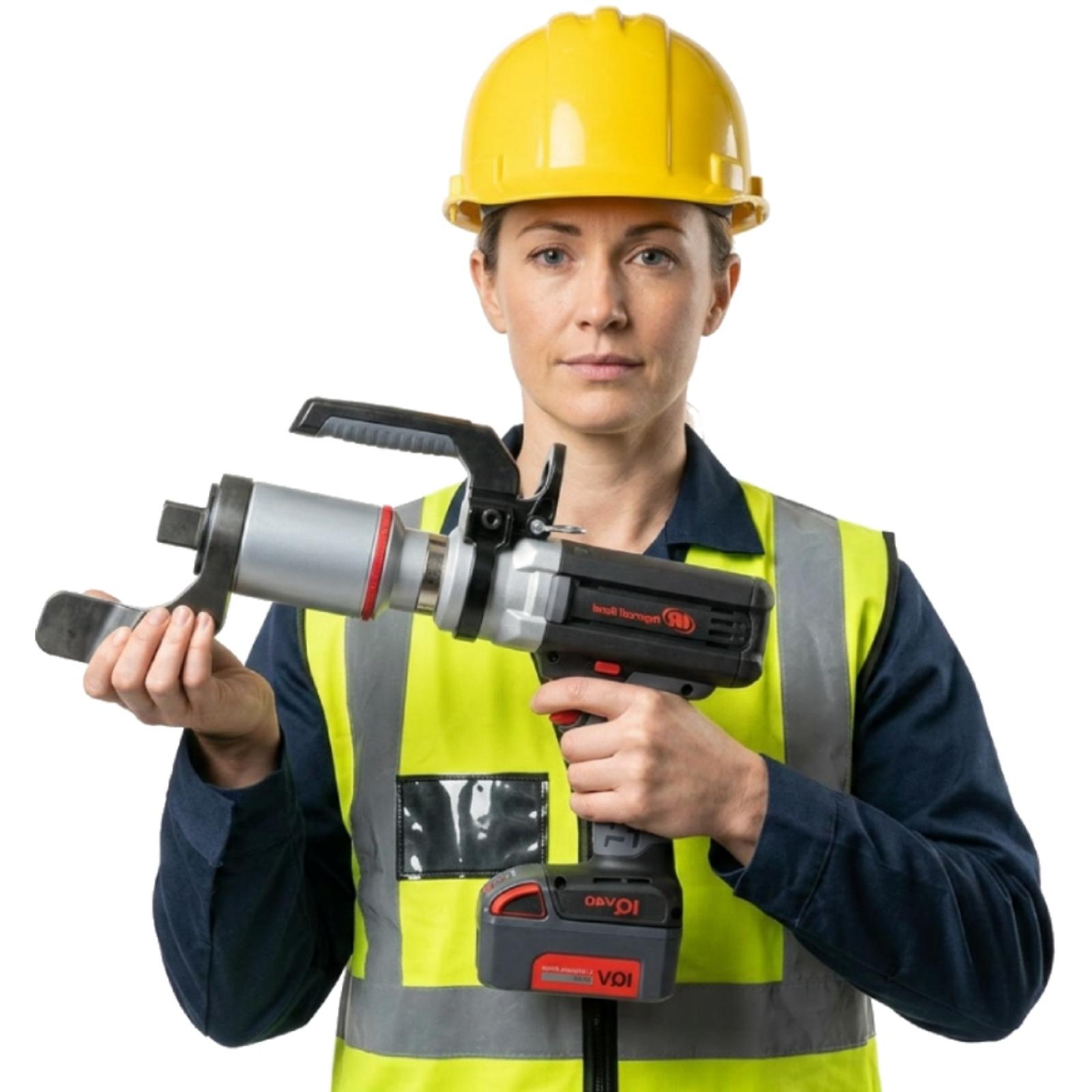
technician holding QXM torque multiplier

Does this challenge resonate with your business?

Connect with a Specialist

Take the next step toward safer, more efficient torque processes. If your team is still relying on manual torque tools, upgrading to a powered, data-enabled solution can deliver immediate improvements.