
A Large Fleet Operator Improves Safety and Efficiency with Controlled Torque

A major product distribution company faced recurring safety risks due to inconsistent torque practices across its large fleet.

By implementing a controlled torque solution, the organization significantly improved safety, efficiency, and traceability across its operations.

Key Facts:

  • 6,000+ vehicles supported
  • 250+ service locations
  • 60% reduction in torque-related incidents
  • 100% torque compliance
  • ROI achieved in 18 months

Inconsistent Torque Practices Created Safety Risks and Operational Inefficiencies

The customer operates one of the largest logistics and distribution networks in its region, supported by an extensive maintenance infrastructure with hundreds of service locations.

Core challenges included:

Inconsistent torque application

  • Existing pneumatic tools delivered 900–1100 ft-lb vs. required 475 ft-lb
  • Torque variation of 15–18%
Safety risks
  • Approximately 15 monthly incidents involving loose or detached tires
  • Increased risk of collisions, injuries, and liability
Operational inefficiencies
  • Over-torqued fasteners made roadside tire changes difficult
  • Increased downtime and towing costs
Cultural resistance
  • Strong belief that speed outweighed precision
  • Misconception that faster tools equaled better performance
Lack of traceability
  • No visibility into service history or accountability across locations

A Hybrid Torque Solution Balanced Precision, Speed, and Traceability

A hybrid torque solution was implemented to balance precision with productivity.

Implemented Tools & Strategy

Primary tightening:
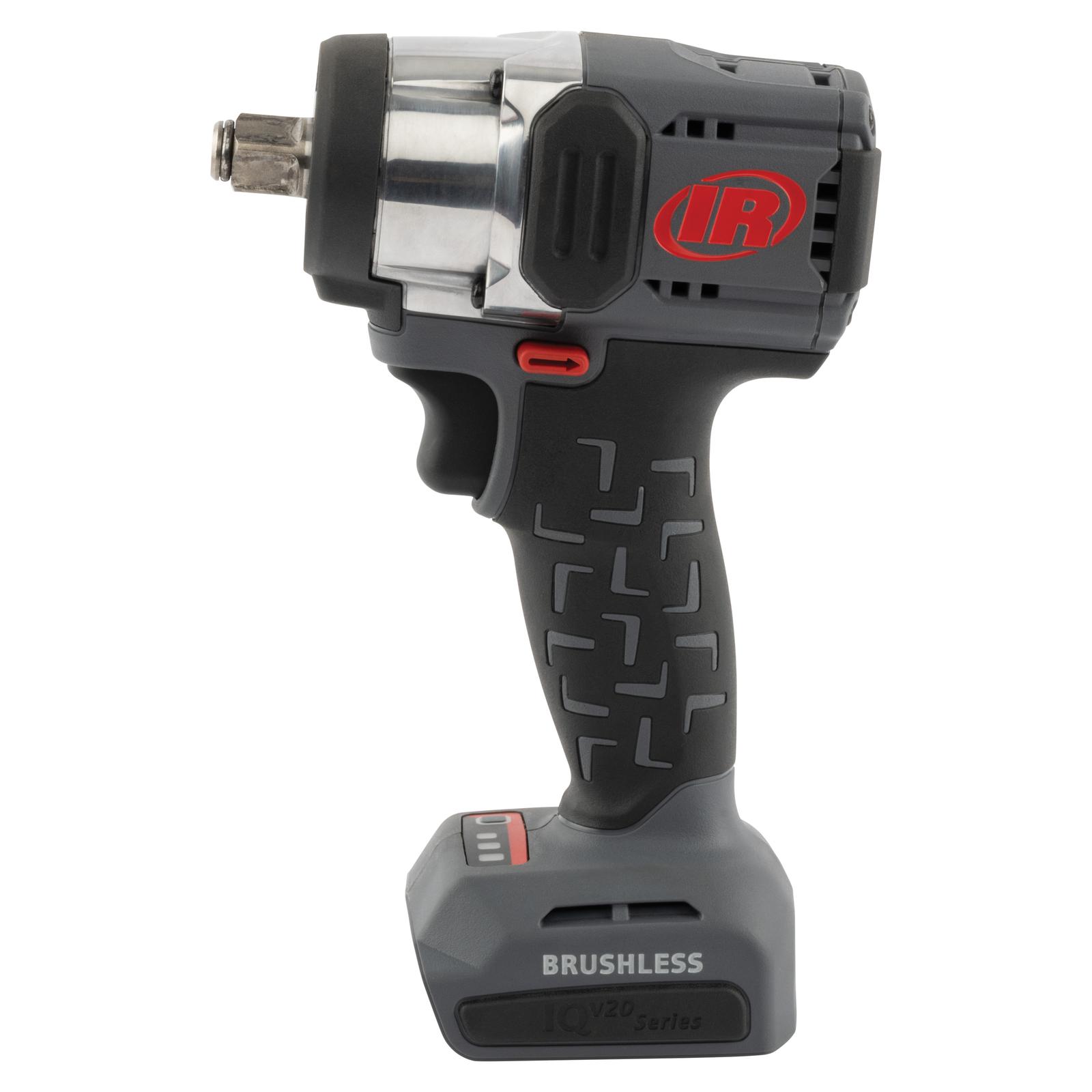
  • W3131 Impact Wrench
    • Used to approach—but not exceed—target torque
Final tightening & control:
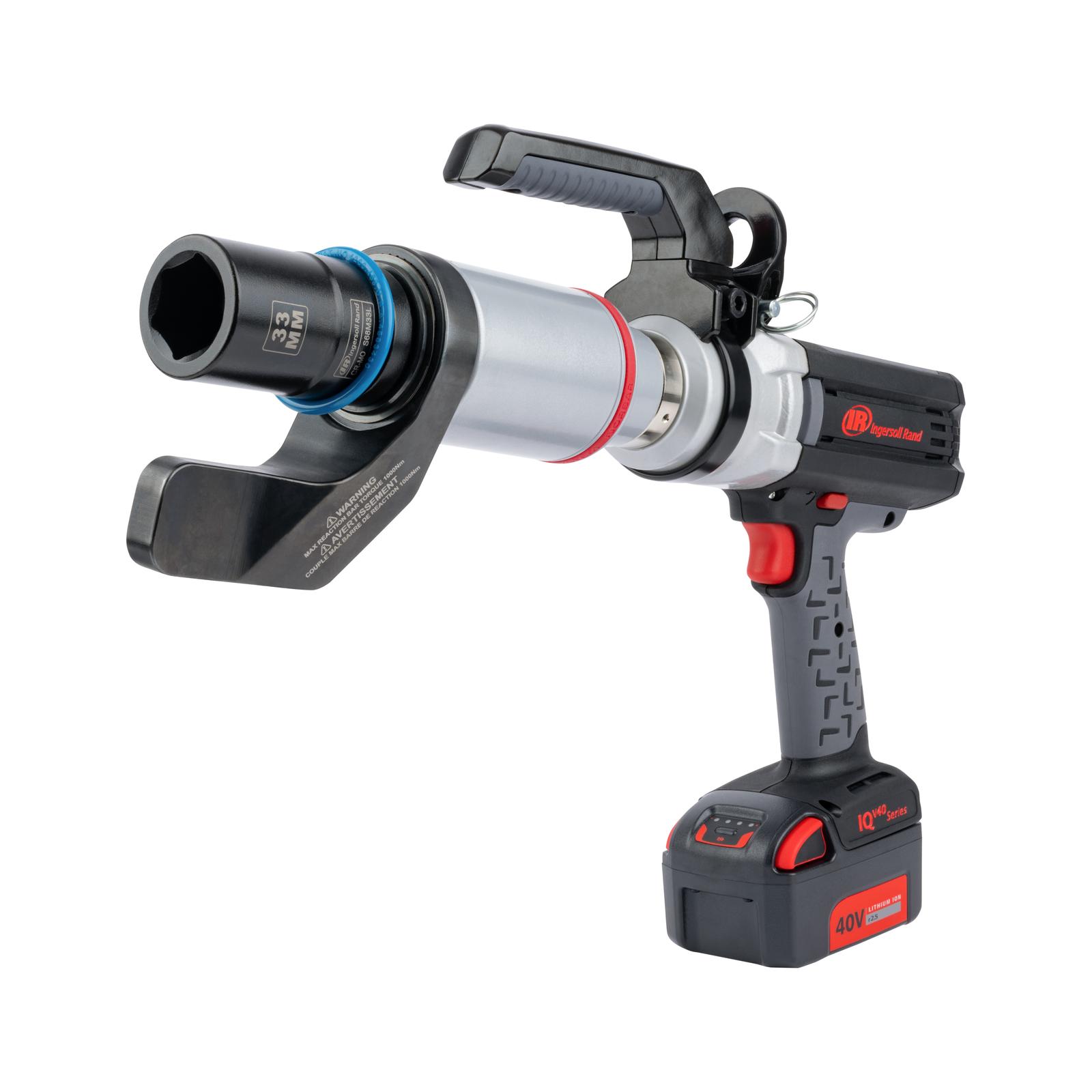
  • QXM Torque Tool (Truck Line)
    • Ensured ±5% accuracy at the specified 475 ft-lb
    • Enabled traceability for each tightening operation

Validation Process

  • Conducted a Cmk statistical study (100 samples)
  • Achieved Cmk ≥ 2, significantly improving consistency compared to pneumatic tools (~Cmk ≥ 1)

Deployment Highlights

  • Initial pilot investment: $150K
  • Tools deployed: 16 QXM + W3131 units
  • Rollout across 11 key service locations
  • Delivered nationwide training (11 sessions) for technicians and operators

Key Advantage

  • Maintained efficient cycle time using an impact + torque combination
  • Reframed the solution from cost to safety investment

“I didn't realize how important it was to control torque in trucks; this training changed the way I look at the problem.”

Certified Operator

field operator holding a qxm torque controlled tool

Controlled Torque Delivered Measurable Safety, Performance, and ROI Improvements

Quantitative Results

  • 100% compliance with torque specifications
  • 60% reduction in torque-related incidents (Q1 2026)
  • Cmk ≥ 2, indicating strong process capability
  • ROI achieved within 18 months

Qualitative Results

  • Improved technician expertise in torque control
  • Increased driver confidence in vehicle safety
  • Reduced delivery delays and service disruptions
  • Enhanced logistics planning reliability

“I used to think that a faster tool was always better, but now I realize that assumption was incorrect.”

Maintenance Technician

field operator holding Ingersoll Rand W3131 20v cordless impact wrench

"At first we thought this was just a sales initiative, but now we see the broader operational benefits."

Technical Manager

technician showcasing the Ingersoll Rand and QXM torque tool

Does this challenge resonate with your business?

Contact an Expert

Looking to implement a controlled torque solution tailored to your fleet? Contact an expert to learn how controlled torque solutions can optimize your fleet operations.