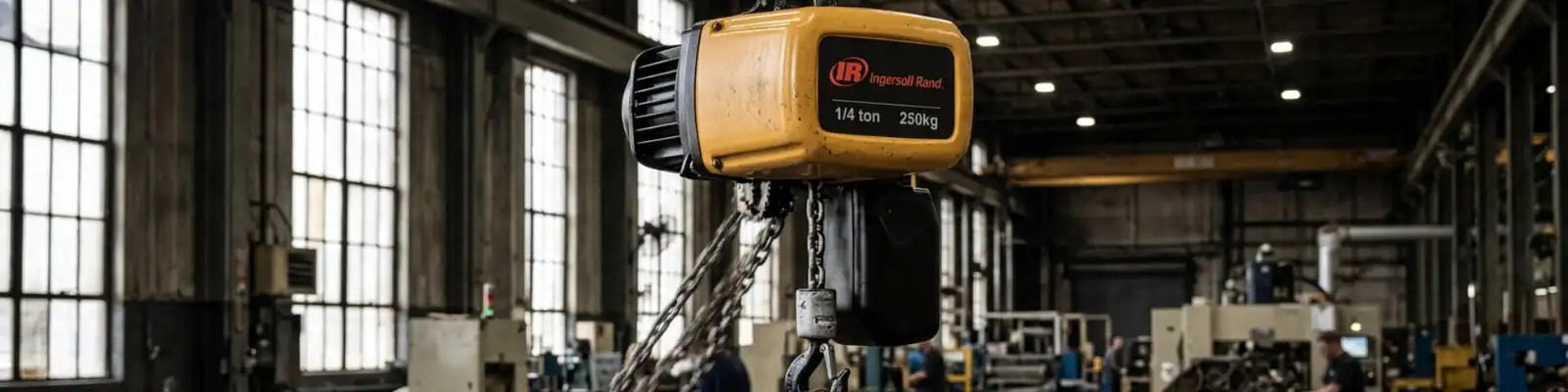
This manufacturing team needed a safer way to handle heavy truck components without slowing production

A high-volume vehicle assembly facility in Brazil needed to improve the handling of truck fairings, mufflers, and other heavy components weighing between 28 kg and 120 kg. Existing methods placed significant physical demands on operators and created challenges for safety, ergonomics, and installation precision.

By implementing ergonomic lifting and hoisting equipment designed for continuous-duty manufacturing environments, the operation improved operator confidence, reduced physical fatigue, and reinforced alignment between safety and productivity objectives.

Key Facts

  • Industry: Automotive Manufacturing
  • Location: Sete Lagoas, Minas Gerais, Brazil
  • Facility Size: Approximately 2,500 employees
  • Application: Truck and van assembly
  • Load Range: 28 kg to 120 kg
  • Primary Focus: Ergonomics, safety, and assembly efficiency
  • Operating Environment: High-utilization production lines
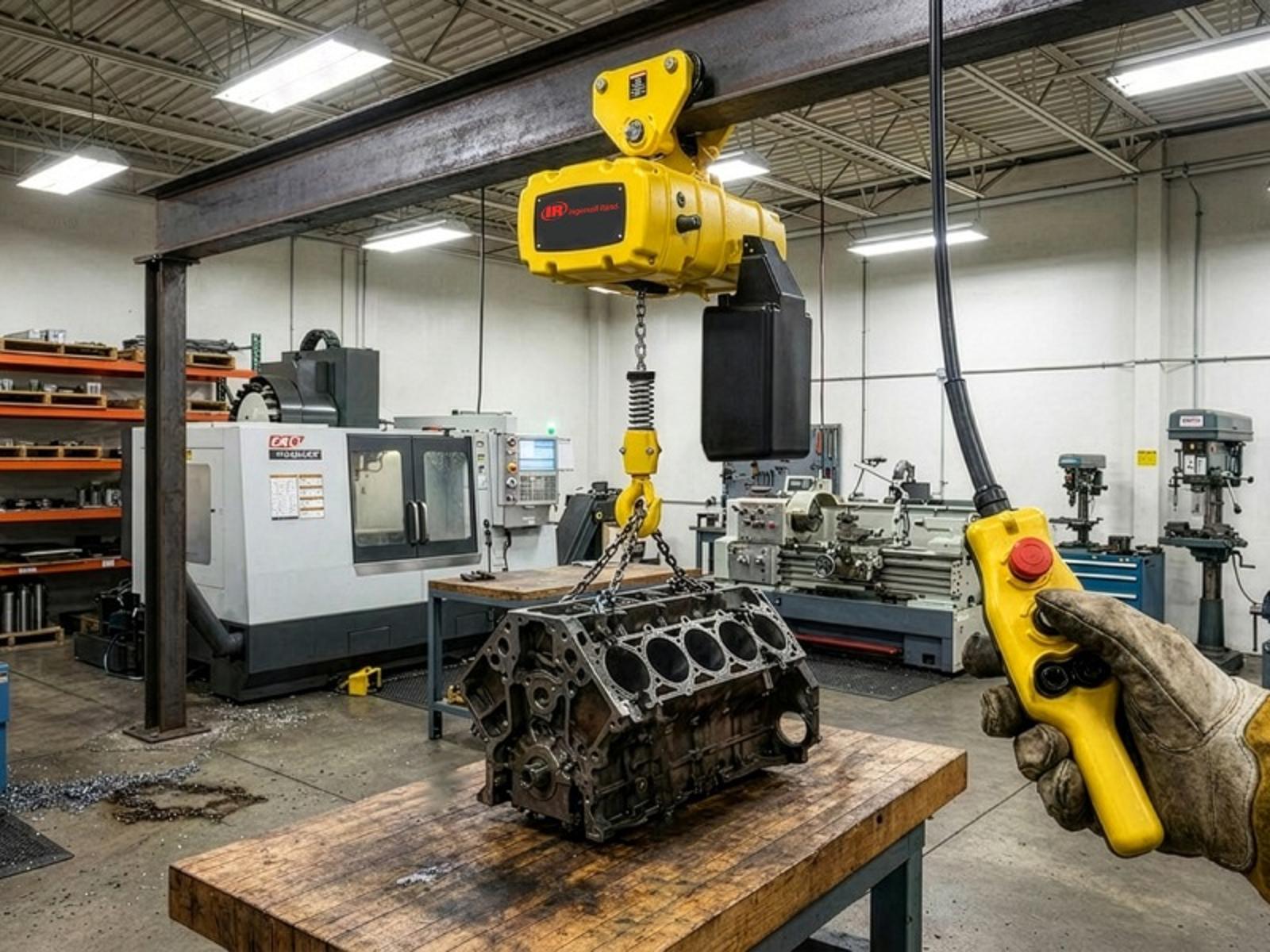
The assembly operation needed to reduce physical strain while maintaining production efficiency

The facility operates in a demanding automotive manufacturing environment where operators routinely install and maneuver heavy vehicle components. Daily production relies on a variety of assembly tools and lifting systems, including electric and pneumatic hoists, balancers, torque tools, and precision tightening equipment.


As production volumes increased, the handling of large components such as fairings and mufflers became a growing concern. Components ranging from 28 kg to 120 kg required repetitive lifting, positioning, and installation activities that increased physical strain on operators. These conditions created potential risks related to ergonomics, workplace safety, assembly consistency, and overall production flow.


The operation also maintained strict alignment with ISO 45001:2018 occupational health and safety requirements, making continuous improvement in operator well-being and risk reduction a strategic priority.

Ergonomic lifting equipment provided safer and more controlled material handling

To address these challenges, the facility implemented ergonomic lifting and hoisting equipment specifically designed for automotive assembly environments with continuous operating cycles.


The solution safely manages loads ranging from 28 kg to 120 kg while providing improved operator control during positioning and installation activities. The equipment integrated directly into existing assembly processes, minimizing workflow disruption and reducing the physical effort required to move and install heavy components.


Compared with alternative equipment already present within the facility, the selected solution delivered improved ergonomics, operational reliability, and ease of use. The design supported safe handling practices while maintaining the speed and precision required for high-volume truck and van production.

Rapid adoption helped improve safety, operator confidence, and assembly consistency

Implementation was completed with minimal impact on production schedules. The intuitive design enabled fast operator acceptance and smooth integration into established assembly workflows.

Business Outcomes

  • Reduced physical effort associated with handling components weighing up to 120 kg.
  • Improved operator confidence during lifting, positioning, and installation tasks.
  • Reinforced safe workplace behaviors across assembly operations.
  • Improved consistency during component installation activities.
  • Maintained productivity within a high-utilization manufacturing environment.
  • Strengthened alignment between safety and operational performance goals.
  • Supported compliance with ISO 45001:2018 workplace safety objectives.
  • Generated internal visibility that prompted discussions regarding broader deployment opportunities across related automotive manufacturing operations.

“Handling heavy components became significantly safer and easier, improving agility and operator well-being without compromising productivity.”

— Production Supervisor