Summary

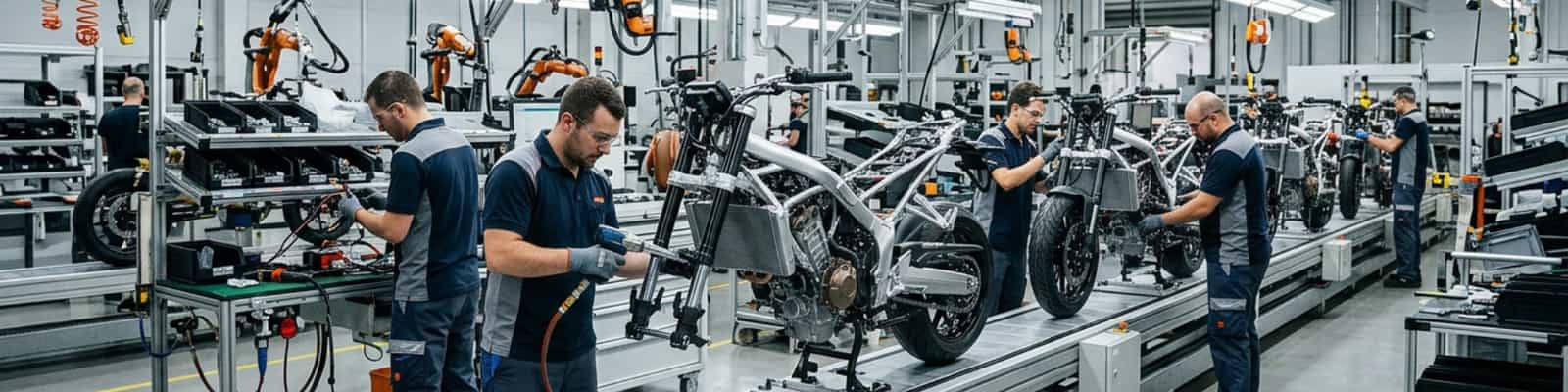
A high‑volume motorcycle manufacturer in Latin America faced inconsistent torque application and elevated warranty rates across its assembly lines. By transitioning from conventional impact wrenches to controlled torque tools, the operation improved quality, reduced rework, and increased monthly production output.

Key Facts

  • Industry: Automotive / Motorcycle Manufacturing
  • Application: High‑volume assembly & torque‑critical joints
  • Tools Used: Ingersoll Rand QX and RTS Controlled Torque Tools
  • Key Outcomes: 40% reduction in assembly‑related failures, 20% improvement in production capacity
The Challenge

The manufacturer faced critical challenges related to torque consistency and process efficiency within its high‑volume assembly operations.

Key issues included:

  • Variability in torque application due to the use of conventional impact wrenches
  • Lack of standardized tools and assembly processes across workstations
  • Limited torque control and traceability in critical joints
  • Heavy reliance on manual inspections to identify assembly errors
  • Increased rework, production delays, and operational costs

Quantifiable Impact

  • Assembly warranty rates reaching up to 15%
  • Production constrained to approximately 15,000 motorcycles per month, below growth targets
  • Additional time and cost associated with rework and corrective actions

These challenges limited the manufacturer’s ability to scale production while maintaining consistent quality.

The Solution

A comprehensive controlled torque solution was implemented using Ingersoll Rand Assembly Tools, focused on improving precision, standardization, and process control.

Solution Components

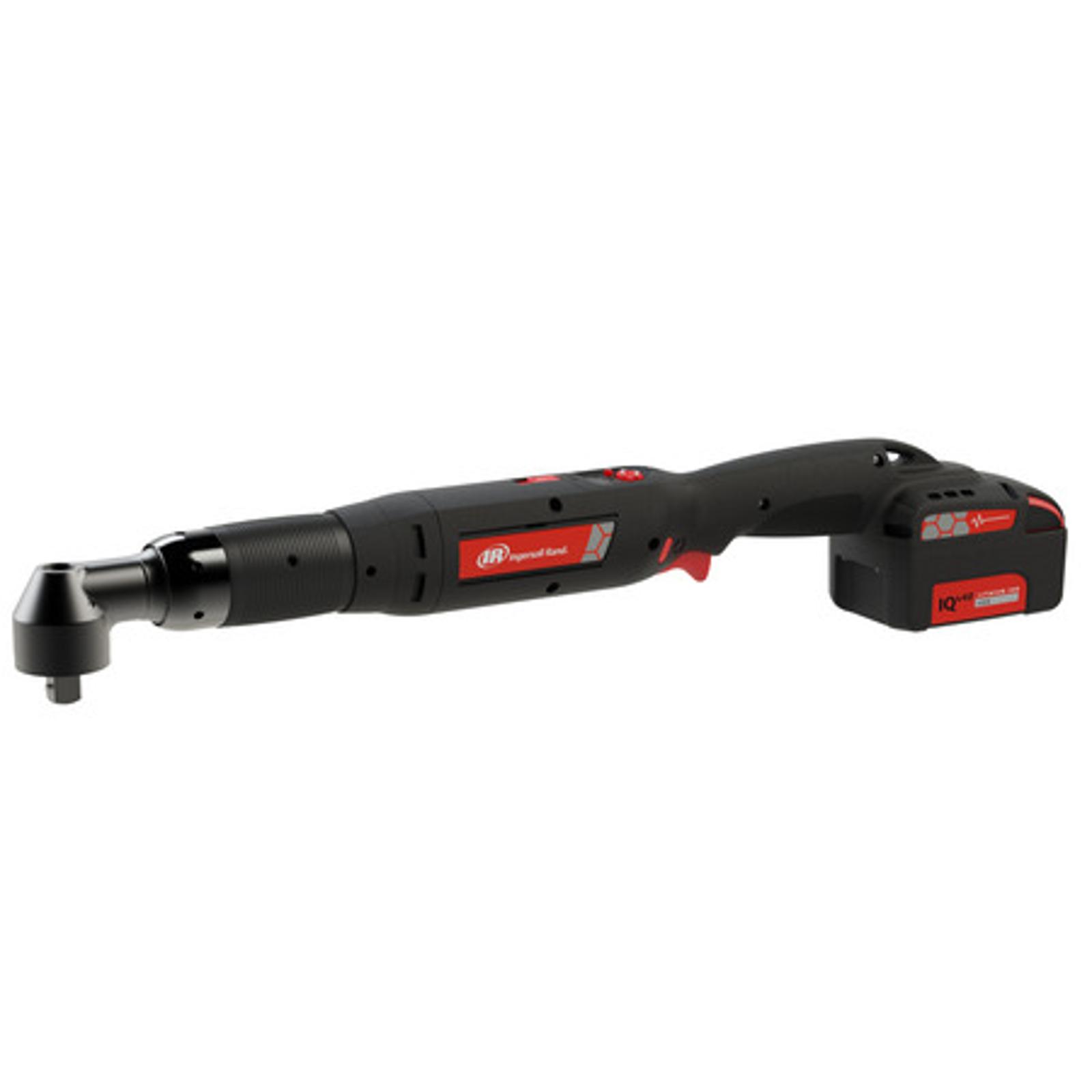
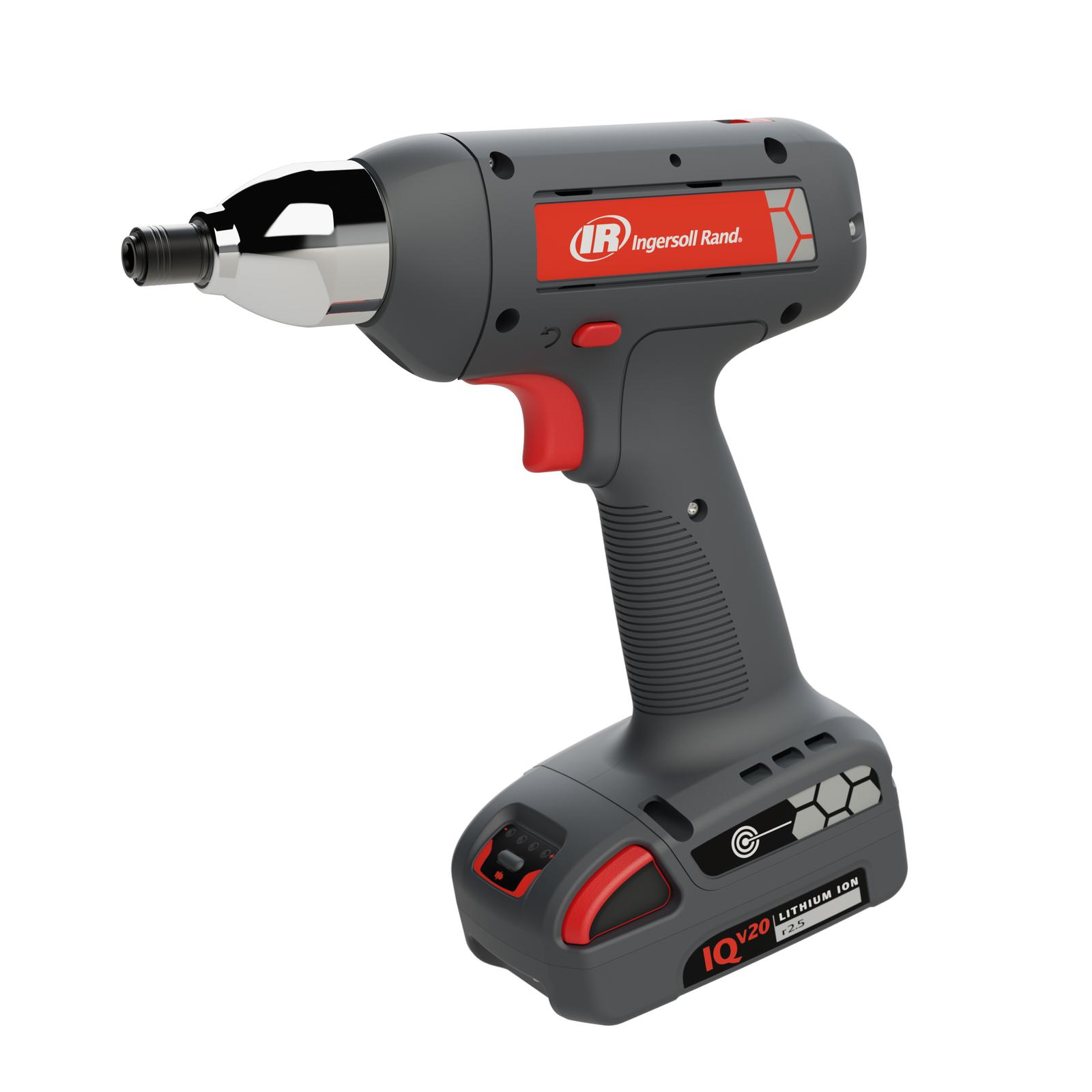
  • QXX Pistol Grip Torque Tools
    • Used in hard‑to‑reach applications to improve ergonomics and accuracy.
  • QXX Angle Torque Tools
    • Applied in higher‑torque applications requiring enhanced stability and control.
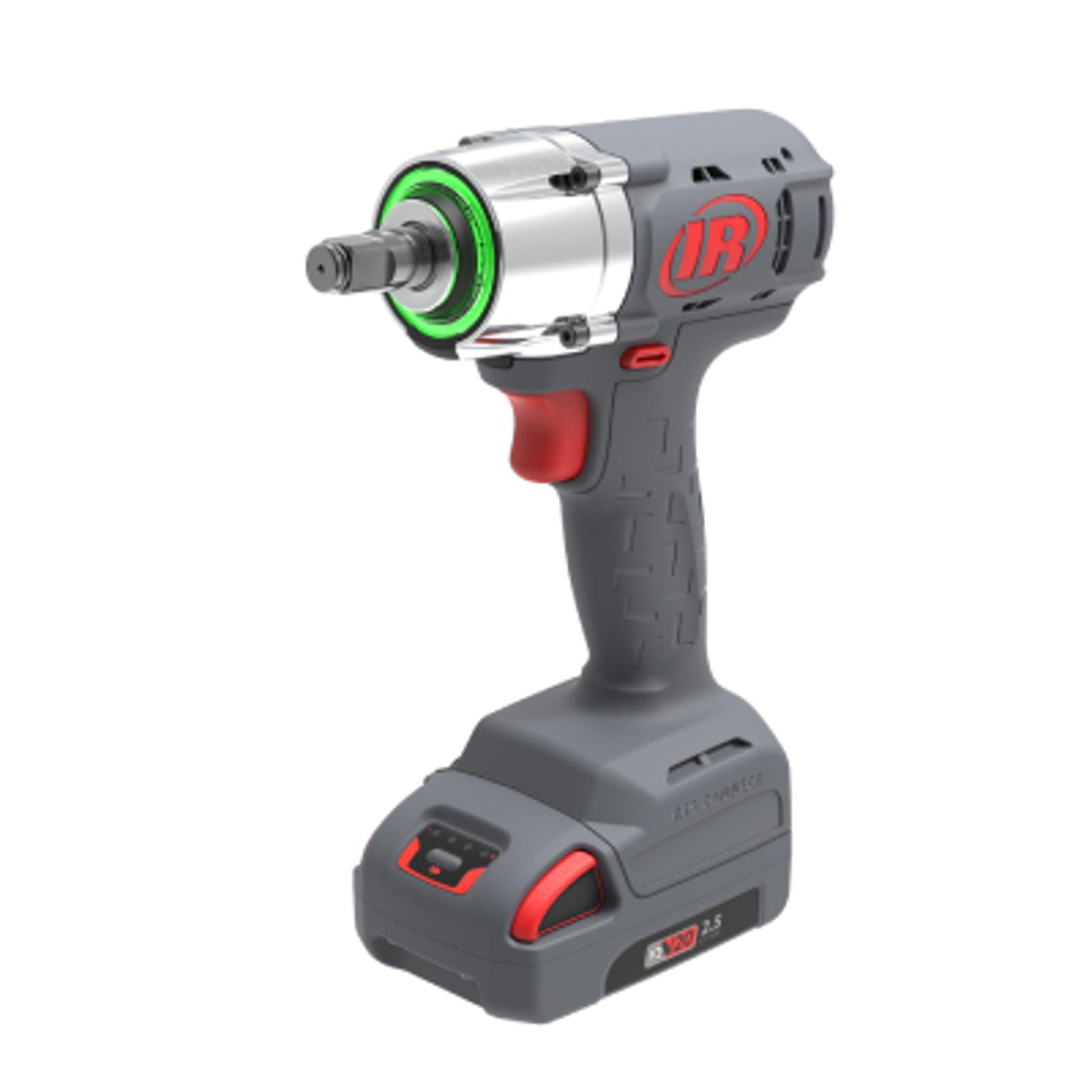
  • RTS Controlled Torque Tools
    • Deployed to replace conventional impact wrenches and eliminate torque variability.
  • Configuration of torque parameters specific to each assembly station
  • Standardization of tools across production lines
  • Technical training to ensure proper tool usage

By replacing conventional impact tools with controlled torque systems, torque accuracy was achieved directly at the source of assembly.

The Results

The implementation delivered measurable improvements in both quality and operational efficiency.

Quantitative Results

  • Assembly warranty rates reduced from 15% to 9%

– Approximately 40% reduction in assembly‑related failures

  • Production output increased from 15,000 to 18,000 motorcycles per month within 6 months

– 20% improvement in production capacity
  • Continued progress toward the target of 20,000 motorcycles per month
  • Significant reduction in rework time and cost

Qualitative Results

  • Consistent torque application across critical joints
  • Improved final product quality
  • Increased operator confidence
  • More stable and predictable assembly processes
  • Reduced operational variability
  • Less dependence on post‑process inspections

Customer Voice

"The implementation of controlled torque tools significantly reduced warranty rates in our assembly processes, improving overall product quality."

Production SupervisorMotorcycle Manufacturer

"Transitioning from conventional impact wrenches to controlled torque solutions provided greater consistency in critical joints and improved control across the production line."

Process EngineerMotorcycle Manufacturer

"Beyond quality improvements, we optimized assembly cycle times, enabling us to increase production capacity within a short period."

Manufacturing ManagerMotorcycle Manufacturer

Why It Matters

By standardizing torque control across its assembly operations, the manufacturer improved product quality, reduced operational risk, and unlocked additional production capacity. The shift from reactive inspection to controlled assembly processes enabled scalable growth while supporting safety, consistency, and long‑term operational stability.

Contact an Expert

Looking to improve assembly quality, reduce rework, or scale production capacity? Contact an expert to learn how controlled torque solutions can optimize your manufacturing operations.